
Unlocking the Potency: Checking out the Intricacies of Crossbreeding and Generating Exclusive Hashish Strains
- 29 avril 2024
- Envoyé par : Louis
- Catégorie: Non classé
The globe of cannabis cultivation is a interesting realm where by science, art, and enthusiasm converge. As fanatics and growers find to drive the boundaries of what the hashish plant can offer you, crossbreeding has emerged as a strong instrument to generate exceptional and powerful strains. In get redirected here , we will delve into the intricacies of crossbreeding, knowing the science at the rear of it, the art of selection, and the best purpose of crafting exclusive hashish seeds.
The Science of Crossbreeding
At its core, crossbreeding will involve the deliberate mating of two unique cannabis crops with desirable features to deliver offspring that inherit the greatest attributes from every single guardian. The fundamental genetic rules determine the consequence, generating it a science as considerably as an artwork.
Hashish crops have two sets of chromosomes, and each and every mother or father contributes 1 established. This genetic trade throughout fertilization qualified prospects to the development of a exclusive genetic profile for the offspring. Understanding dominant and recessive features is important in predicting the expression of specific properties in the ensuing crops.
Breeding for Specific Attributes
The journey of making a exclusive hashish strain begins with a distinct eyesight of the desired characteristics. Regardless of whether it truly is increased efficiency, exceptional flavors, or specific medicinal qualities, breeders cautiously select parent crops with these characteristics. These attributes may be affected by cannabinoids, terpenes, or other biochemical compounds.
For example, a breeder aiming for a pressure with significant THC information may well decide on parent vegetation recognized for their powerful psychoactive results. On the other hand, all those looking for therapeutic qualities may possibly concentrate on CBD-wealthy types. The blend of characteristics demands a keen understanding of the plant’s genetic makeup and the interactions amongst different compounds.
Artwork of Assortment
The artistry of crossbreeding lies in the meticulous selection of mother or father plants. Breeders frequently do the job with a palette of diverse strains, each and every contributing distinctive components to the genetic combine. The aim is to develop a harmonious blend that accentuates the wanted qualities although sustaining stability and vigor in the offspring.
Selecting guardian vegetation consists of not only considering the goal attributes but also evaluating factors like growth designs, resistance to pests and health conditions, and all round adaptability. By way of generations of mindful selection, breeders refine their creations, guaranteeing that every successive era retains and enhances the ideal qualities.
Stabilization and Uniformity
Just one of the worries in hashish crossbreeding is attaining balance and uniformity in the resulting strains. Stability refers to the consistency of the genetic expression throughout different vegetation in a offered strain, though uniformity guarantees that each individual plant shares very similar traits.
To stabilize a pressure, breeders typically interact in backcrossing, a course of action that involves mating the hybrid with a single of its mother or father plants. This can help enhance the preferred features and eliminates unwanted versions. By recurring backcrossing and collection, breeders create secure and uniform strains that reliably exhibit the supposed attributes.
The Position of Terpenes
Even though cannabinoids like THC and CBD often take the spotlight, terpenes enjoy a critical function in shaping the over-all knowledge of a cannabis strain. These aromatic compounds lead to the flavor and aroma of the plant, but they also interact with cannabinoids to make an entourage effect, influencing the in general therapeutic and psychoactive effects.
Crossbreeding allows breeders to examine and increase the terpene profiles of their strains, making a symphony of aromas and flavors. By picking mother or father vegetation with special terpene profiles, breeders can craft strains that supply a sensory knowledge beyond just cannabinoid articles.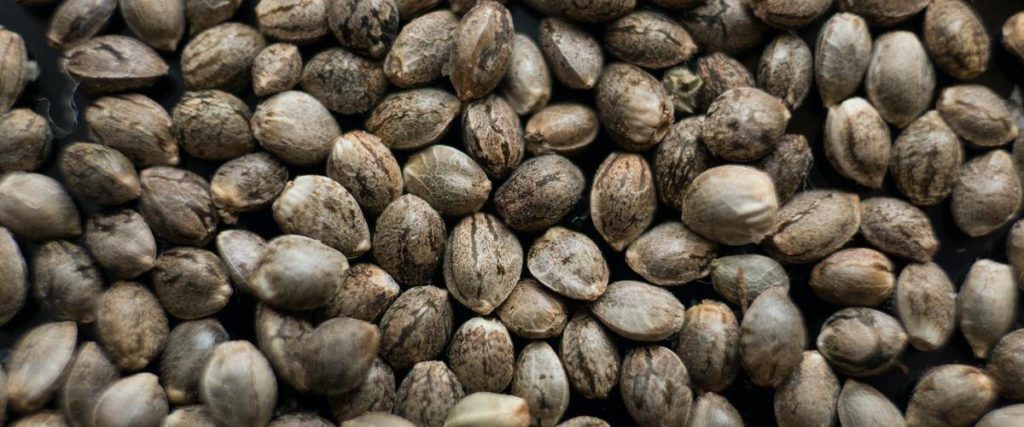
Difficulties and Moral Issues
While the globe of cannabis crossbreeding holds huge opportunity, it is not without having worries and moral factors. The market’s need for novelty strains can at times direct to hasty breeding practices, compromising steadiness and genetic integrity. Moreover, there are concerns about the probable effect on biodiversity and the environment as genetically modified strains become more prevalent.
Moral breeders prioritize transparency, sharing details about the genetic lineage and prospective dangers associated with their creations. As the sector evolves, it is necessary to strike a stability involving innovation and liable breeding practices to make certain the prolonged-phrase sustainability of cannabis cultivation.
Summary
In the ever-evolving landscape of cannabis cultivation, crossbreeding stands as a dynamic and resourceful force. From the meticulous collection of guardian plants to the clever crafting of one of a kind strains, breeders navigate the intricate world of genetics to unlock the full possible of the cannabis plant.
As science and passion converge, the boundaries of what is possible go on to develop. The journey of producing exceptional cannabis strains is a testament to the perseverance and eyesight of breeders who find to push the plant’s potential to new heights. In this exploration, we have only scratched the floor of the intricacies associated, leaving the doorway vast open for future innovations and discoveries in the entire world of hashish crossbreeding.